



































A car insurance coverage check
- Assumed annual premium
- $1,800/yr
- Assumed alternative
- $1,620/yr
- Calculated difference
- $180/yr
Keep vehicle, driver, use and coverage details consistent when requesting proposals. Illustrative amounts, not a quote.
Skip to content
Compare car insurance in Red Deer around the way you actually drive. Bring together your local trips, intercity mileage, vehicle use and coverage priorities before enquiring about available Alberta insurance options.
From Insurance Genie
Explore recent policy purchases shared through our participating insurance professionals.
Recent policies will appear here when the Insurance Genie CRM feed is connected.
Compare Red Deer car insurance quotes using consistent driver, vehicle, annual-distance and coverage details. Explain trips to other Alberta communities and any work-related use. Ask an appropriately licensed provider to confirm the policy terms, price and start date for your own situation.
Insurance Genie is an independent insurance information and enquiry platform. Advice, quotations and policy placement are provided by participating appropriately licensed organizations, subject to availability. An enquiry is not a quote or confirmation of coverage.
Car insurance · comparison examples
Explore three car insurance illustrations, then compare your own coverage. These assumed amounts show the maths, not available rates or recent customer quotes.

Examples rotate as you browse
Assumed amounts · CAD per year
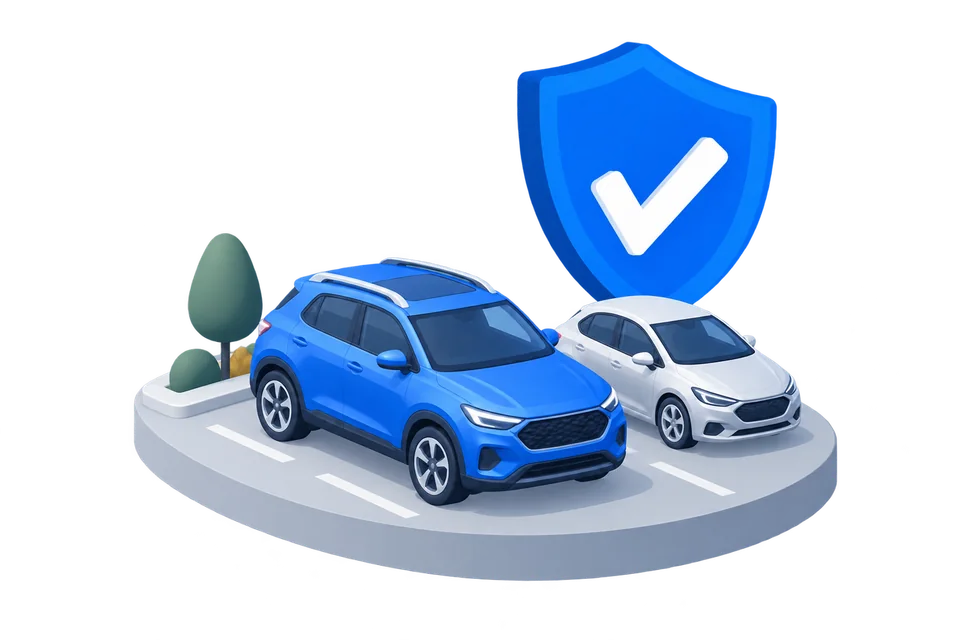
Keep vehicle, driver, use and coverage details consistent when requesting proposals. Illustrative amounts, not a quote.
Compare liability limits, accident benefits, deductibles and optional coverages alongside price. Illustrative amounts, not a quote.

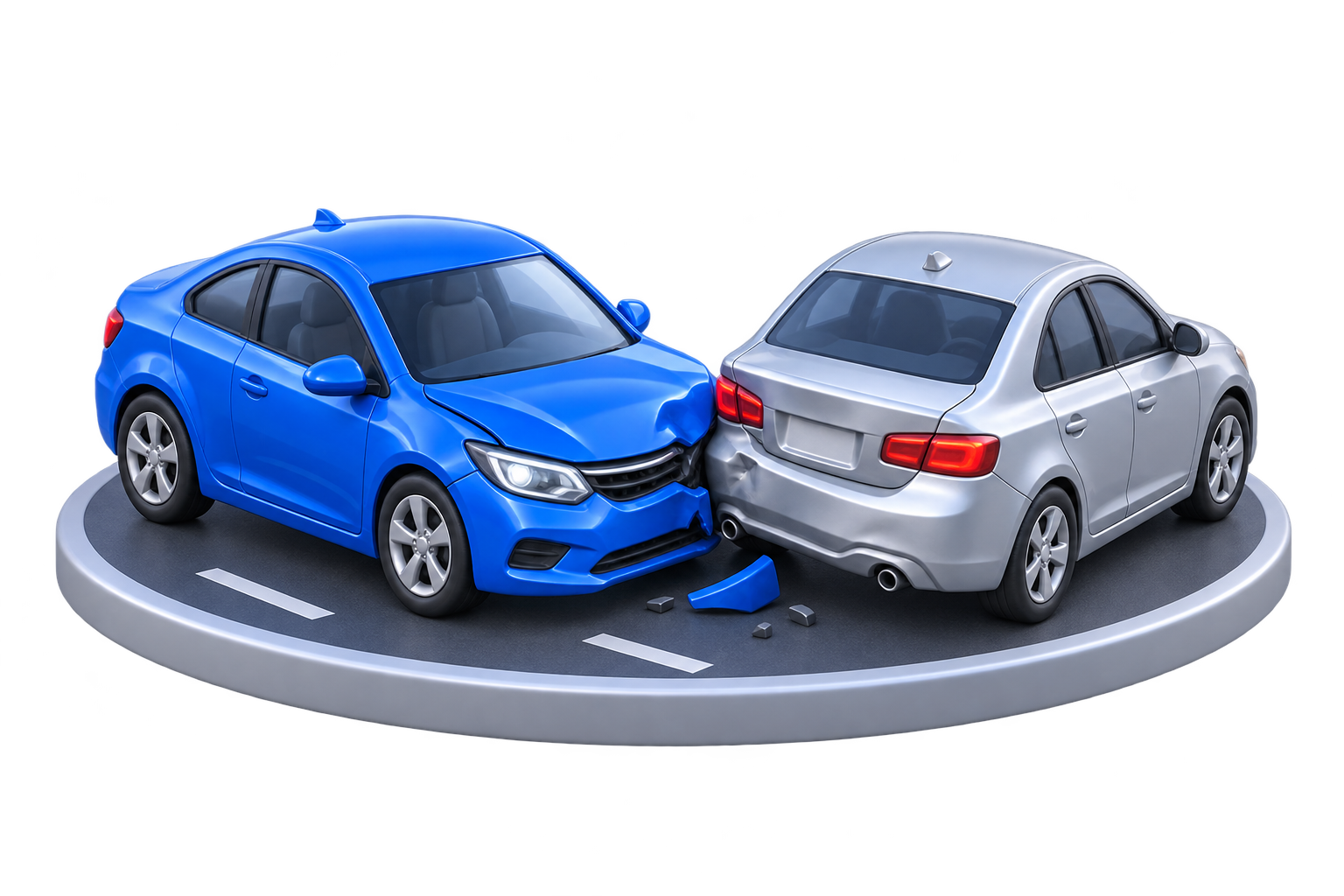
A different deductible changes your share of a covered loss. Ask for actual options and compare the tradeoff. Illustrative amounts, not a quote.
Illustrations use assumed premiums and are not insurer offers, customer results or guaranteed savings. Compare the same limits, deductibles and coverage before choosing. .
A short commute within Red Deer does not necessarily describe the full year. Add regular trips to other Alberta communities, family visits and the driving you do outside work. If your schedule changes between local work and longer journeys, explain that pattern instead of relying on a single typical day.
The vehicle itself also deserves a clear description. A pickup, SUV or car may be used for personal trips, commuting, carrying equipment or visiting clients. Tell the provider what actually happens, including any paid delivery or rideshare activity. Ask whether the proposed use belongs on a personal or another type of policy.
For an Alberta move or a newly purchased vehicle, bring the relevant licence, vehicle and existing-policy information. Ask what additional records the insurer needs. Do not assume a previous province’s coverage or premium transfers unchanged to a Red Deer auto insurance policy.
Prepare an annual-distance estimate that includes recurring longer journeys. Note whether another person shares the driving. Ask how changes in your work location or schedule should be reported during the policy term.
Describe equipment carried, client or job-site visits, and any paid use of the vehicle. Ask whether a trailer or attached equipment needs its own review. A vehicle’s appearance alone does not establish the correct insurance classification.
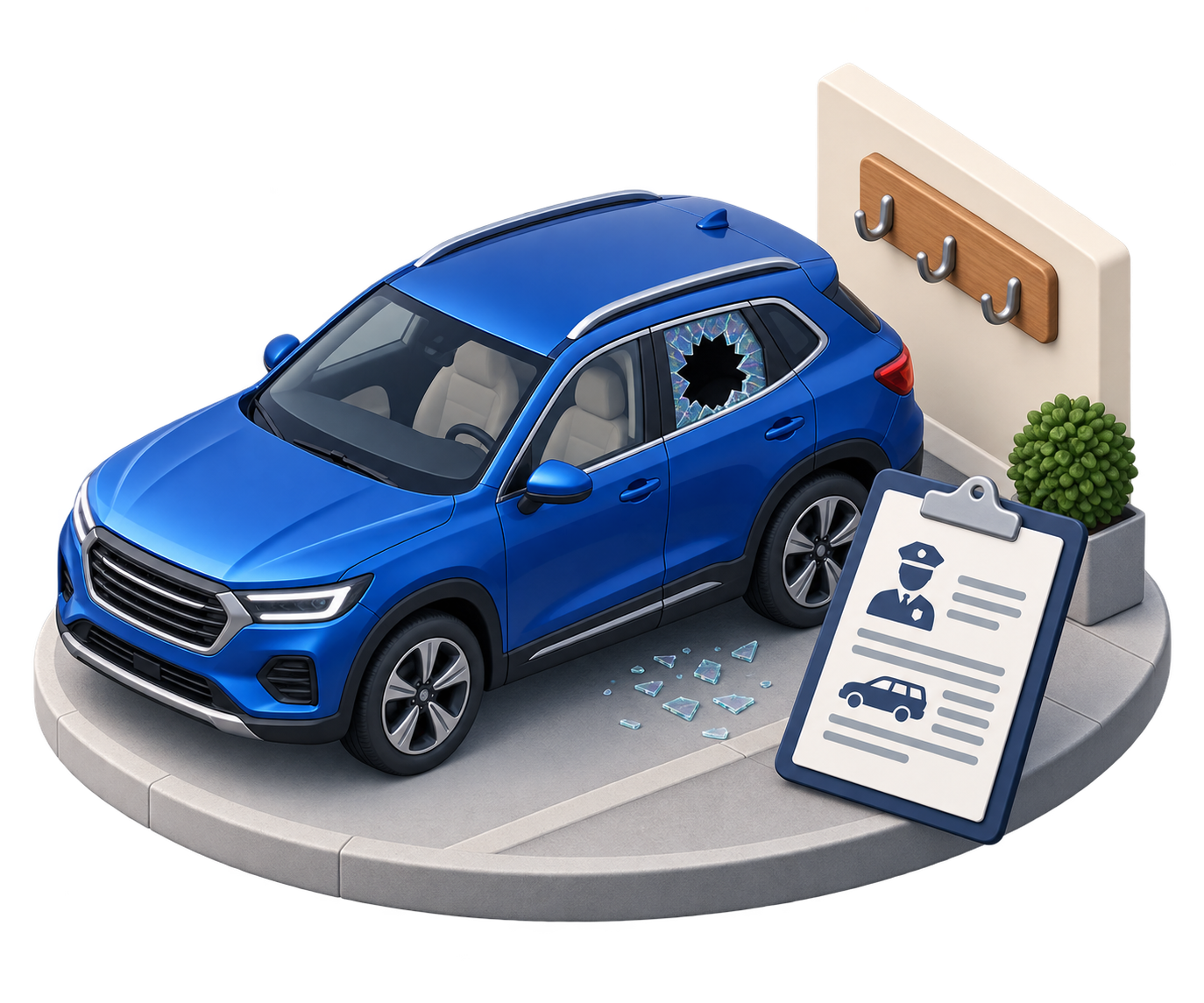
Ask how the proposal treats glass damage, theft, hail and collision, including any separate deductibles or exclusions. If repair cost or replacement transportation matters to you, compare those terms explicitly instead of assuming they follow the headline premium.
For Red Deer drivers, review the proposed Alberta policy with the licensed professional who will arrange it. Ask for a written comparison and a clear explanation of any difference from your current coverage. Use the same choices when comparing prices.
Ask who would handle a claim and how to contact them. Keep the actual policy and endorsements with your comparison; a short description on a website cannot replace the issued wording.
Ask for a clear breakdown of the proposed coverages and charges. Compare the same selections across offers. A reduction created by removing optional protection should be considered alongside the loss you would have to fund yourself.
Ask whether a provider can consider more than one vehicle or a home, condo or tenant policy. Compare the total cost and the coverage of the combined arrangement against separate proposals; eligibility must be confirmed.
Ask for alternatives only at deductibles you could manage after a loss. Check glass and other applicable deductibles individually. Compare both the annual premium and the financial responsibility that changes if you claim.
Confirm every discount and policy condition with the provider. A lower premium may come with different coverage. The examples on this page are labelled illustrations, not a promise of savings.
Bring one organized set of information to each provider. If you are uncertain about a date or detail, say so and check the record instead of guessing. Share sensitive documents only through the appropriate provider’s agreed secure process.
An individual premium requires the provider to assess your details and selected coverage. A city average or another driver’s rate is not a quote for you. Prepare the vehicle, drivers, overnight address and annual use, then request the annual total with payment terms. Insurance Genie does not publish a verified Red Deer average.
Keep the information and coverages consistent, ask about eligible programs and review different deductible options. Compare the insurer, limits, exclusions, claims contact and payment costs as well as the price. There is no guarantee that one company or bundle is the cheapest for every Red Deer driver.
Alberta’s government identifies accident benefits and third-party liability as basic automobile insurance required by law. Collision and comprehensive are additional coverages. Ask the licensed provider to explain the complete current policy, including property-damage provisions, available options and any financing requirements that apply to your vehicle.
Ask which wording and rules apply to the actual policy effective date. Alberta’s government says the system is scheduled to transition to the Care-First model on January 1, 2027. A future renewal should be checked against the current government information and the insurer’s issued documents rather than assumptions based on an older policy.
Explain the actual tasks, equipment carried, travel to jobs and any paid driving. Ask whether the provider can consider that activity and what policy type or conditions would apply. Personal ownership does not automatically make every work activity personal use. Obtain confirmation before relying on the proposed protection.
Have vehicle details, licence history and existing insurance information available. Ask the provider which records from your previous insurer or jurisdiction it can consider, and how the move affects coverage dates. Confirm the replacement policy before cancelling an existing arrangement. Acceptance of previous experience and the resulting price must be assessed.
Not on its own. Compare liability limits, deductibles, insured use, vehicle-damage options and exclusions. Check whether fees or payment terms change the total cost. If one proposal removes a protection, ask what happens after that type of loss. The useful comparison is between the available offers and your needs.
No. You can use the enquiry route to ask about participating provider availability and the next step. The licensed provider assesses the details and confirms any offer. The rotating examples use assumed figures; they do not represent recent Red Deer customers, market rates or guaranteed savings. An enquiry does not bind coverage.
Put your questions and details in one place, then ask about the next available step.
Be prepared
Hypothetical situations to help you prepare questions—not actual client claims or promises of coverage.

Scenario: A driver damages their vehicle in a collision.
What happens next: Record the incident and ask how fault, selected collision protection and the deductible affect the assessment.

Scenario: A parked vehicle is stolen.
What happens next: Report the theft and provide the requested records. The insurer will check theft protection, exclusions and settlement terms.

Scenario: Someone reports an injury following a road accident.
What happens next: Seek necessary care and notify the insurer. Applicable provincial benefits, liability rules and policy terms determine the next steps.
Actual outcomes depend on the facts and applicable wording. Read claims guidance · Ask about the next step
Hi, I’m Genie. I can explain how this website works, help you find a page, or point you to a person. I can’t answer coverage questions or give insurance advice.