





















Business insurance

Restaurant Insurance

Restaurant insurance can combine liability, property and income protection around the way a restaurant, cafe or takeaway operates. The proposed cover must describe cooking, alcohol service and off-site activities accurately.

20%
What could a lower premium mean for you?Illustrative example: $2,400 → $1,920 per year is $480 less. Not an available offer. Try your own numbers →
Your next step starts hereNo obligation to buy

Choose your insurance type and continue to the contact options. This step does not submit an application.

Insurance Genie wearing a chef hat and chef uniform
Made for restaurant operations.Discuss your kitchen, staff and service
Property, equipment and liability.Review what your restaurant may need
Live examples
CRM examples will appear here once the feed is connected.

From Insurance Genie

Recent business insurance purchases

Explore recent policy purchases shared through our participating insurance professionals.

Recent policies will appear here when the Insurance Genie CRM feed is connected.

How Insurance Genie works

Insurance Genie is an insurance request platform, not an insurer or insurance brokerage. Requests may be connected with participating licensed partners. Availability depends on your location, needs and partner eligibility. A request is not a quote or confirmation of coverage.

Coverage questions for your business

Use these topics to frame a discussion with the licensed professional handling your request. They are questions to review, not a promise that every item is included in a policy.

Illustration of a restaurant, outdoor seating and a blue protection shield
  • Cooking equipment and fire protection
  • Food spoilage and equipment breakdown
  • Customer injury and product liability
  • Alcohol sales, delivery and catering

Information to prepare for a useful request

  • Menu and cooking methods
  • Annual sales and alcohol share
  • Kitchen protection and maintenance
  • Lease insurance requirements

Describe the full activity, including work away from the main premises and any secondary services. An incomplete description can make two proposals look comparable when they are based on different information.

Compare the wording as well as the price

Ask for the named insured, business description, covered locations, policy limits, deductibles and key exclusions. Check how defence costs, property valuation and any required endorsements are treated. A policy title alone does not tell you what an individual claim would receive.

If a landlord, lender, marketplace or customer has supplied insurance conditions, provide the actual document. Ask the licensed professional to identify requirements the proposed policy does and does not satisfy. A certificate is evidence of stated coverage; it should not be treated as a rewrite of the policy.

Cost and availability

The price depends on the business activity, scale, location, claims history and selected protections. Request a review using your own facts instead of treating a generic industry range as a quote.

Insurance Genie connects requests with participating licensed partners. Products, territories and eligibility vary. Confirm who is handling your request and when any offered coverage would take effect.

Your questions, answered

Restaurant insurance: cover the way you serve

Restaurant insurance in Ontario should follow the kitchen, service model and customers of the business.

Restaurant business insurance and cafe insurance

Insurance for restaurants and cafes starts with what is cooked, where it is prepared and how it reaches customers. A take out restaurant insurance enquiry should include delivery, packaging and off-site catering, not only tables and seats.
Restaurant liability insurance and property insurance

Restaurant general liability insurance and restaurant property insurance address different exposures. Ask separately about food-related allegations, customer injuries, contents, equipment breakdown, spoilage and interruption of income.

Restaurant insurance requirements

Send the lease and any event contracts. Explain cooking systems, protection and maintenance, alcohol sales and outdoor service. Food and beverage business insurance needs an accurate description of all activities, including temporary events.

What changes restaurant insurance cost?

A restaurant insurance quote needs the operation, sales, premises, equipment values, claims history and requested limits. An average restaurant insurance cost from another business may use different assumptions. Compare the cost of restaurant insurance alongside the actual coverage, deductibles and conditions.

Can a restaurant insurance broker compare options for a new business?

Ask which providers can consider the planned opening date and activities. Prepare a menu, sales estimate, lease, equipment values and protection details. A proposal for commercial restaurant insurance should identify what is included before trading begins.

How does restaurant insurance differ from other food-business insurance?

The address and actual premises belong in the application, along with cooking, delivery, alcohol and event activities. Ask whether the proposed food business insurance describes this operation rather than relying on a broad industry label.

Which insurance types should a small restaurant compare?

Discuss general and product liability, commercial property, equipment breakdown and spoilage, business interruption and any liquor or delivery exposure. These are questions for a coverage review; the wording decides which coverages can be offered and how they respond.

Questions before you request coverage

Does restaurant general liability insurance cover everything?

No. Ask separately about contents, equipment breakdown, spoilage and interruption of income. These are different exposures from a customer injury claim.

What should I send with my insurance request?

Prepare the activity description, current insurance, recent claims details and any contract requirements. Include the business-specific information listed on this page so the licensed partner can ask relevant follow-up questions.

Does submitting a request mean my business is insured?

No. A request is not a binder, policy or confirmation of coverage. The organization arranging insurance must confirm acceptance, terms and the effective date.

Build a restaurant insurance comparison around your service

A cafe, a dine-in restaurant and a late-night venue can need very different conversations. Describe cooking methods, seating, alcohol service, delivery arrangements and any catering away from the premises. Ask how a proposal treats the building or tenant improvements, kitchen equipment and liability to customers as separate items. The menu matters, but so do the hours and the ways food leaves the kitchen.

For business interruption, ask which events must happen before the cover responds, how income would be calculated and what restoration period is proposed. Share the lease so responsibility for improvements, glass and equipment can be reviewed against the actual terms.

Look for savings without thinning out the essentials

Prepare a current equipment list and realistic revenue breakdown before comparing restaurant insurance prices. Explain maintenance, cleaning and security practices accurately; ask whether the insurer recognizes any of them in its terms. Review apparent overlaps between equipment, property and service agreements with the licensed professional. A cheaper proposal is only useful when you understand changed limits, exclusions and the deductible your restaurant would have to fund.

A kitchen interruption worth discussing

Hypothetical example: a restaurant cannot serve its usual menu after an equipment failure. Ask how the proposed policy distinguishes equipment breakdown, spoiled stock and lost income, and which conditions connect those covers. Keep maintenance records and a description of alternative operating arrangements ready. The scenario helps organize questions; it does not establish that the loss would be insured.

Before making a decision

This page is general information. Ask the licensed professional handling your request to explain the proposed wording, limits, deductibles and exclusions. Coverage must be confirmed by the organization arranging it.

Background reading: Consumer insurance coverage guidance. Content updated September 9, 2026; coverage and availability remain subject to confirmation.

Ready to prepare your request?

Contact us to discuss provider availability and the details needed for a useful conversation.

Explore my options

Make the details count

Which restaurant coverages and costs should I compare?

Review property and equipment, liability, interruption, equipment breakdown and any liquor or delivery exposures that apply. Disclose food carts, mobile service, cooking systems and maintenance arrangements. Ask whether professional-services allegations or unusual activities need a separate review. For restaurant insurance cost per month, compare the annual total and payment fees using the same limits, operations and deductibles. We cannot name one best or cheapest restaurant insurer without actual comparable offers.

Before you compare

Restaurant insurance from kitchen to customer

Restaurant insurance should reflect how you prepare, serve and deliver food. A dine-in restaurant, takeaway counter and licensed venue may have different equipment, stock and liability questions. Explain patios, catering, delivery and alcohol service when preparing a restaurant insurance quote.

What should I include in a restaurant insurance request in Ontario?

Include the menu, cooking methods, seating, sales, hours, fire-protection arrangements and any alcohol service. Identify refrigeration, tenant improvements and stock values. Ask which property, equipment breakdown, spoilage and business interruption options can be proposed.

Does restaurant insurance change when I add catering or delivery?

Tell the professional before adding off-site work. Ask about food in transit, work at a client's venue, delivery vehicles and the limits of any existing policy. Compare catering insurance and commercial auto requirements as part of the change.

How should fast food restaurant insurance reflect the way I operate?

Describe takeaway sales, fryers and other cooking equipment, opening hours, delivery arrangements and any customer seating. Explain whether drivers are employed or supplied by another business. Bring lease and franchise insurance requirements so the professional can review property, liability, interruption and vehicle questions together.

Be prepared

Claims scenarios: what happens next?

Hypothetical situations to help you prepare questions—not actual client claims or promises of coverage.

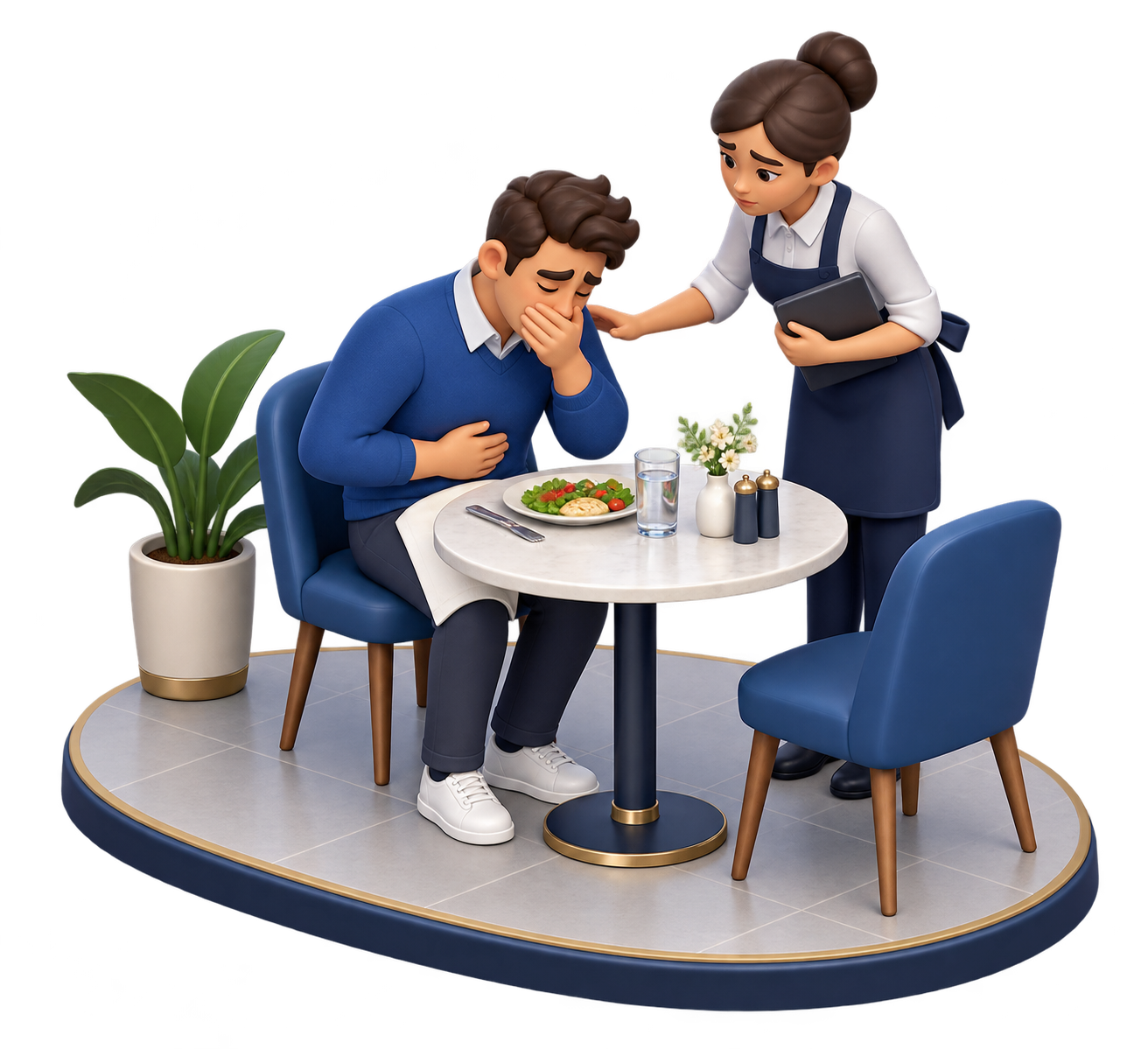
Illustration: a diner alleges illness

A diner alleges illness

Scenario: A customer alleges food served at the restaurant caused illness.

What happens next: Keep relevant food-handling and incident records. The allegation and liability wording must be investigated.

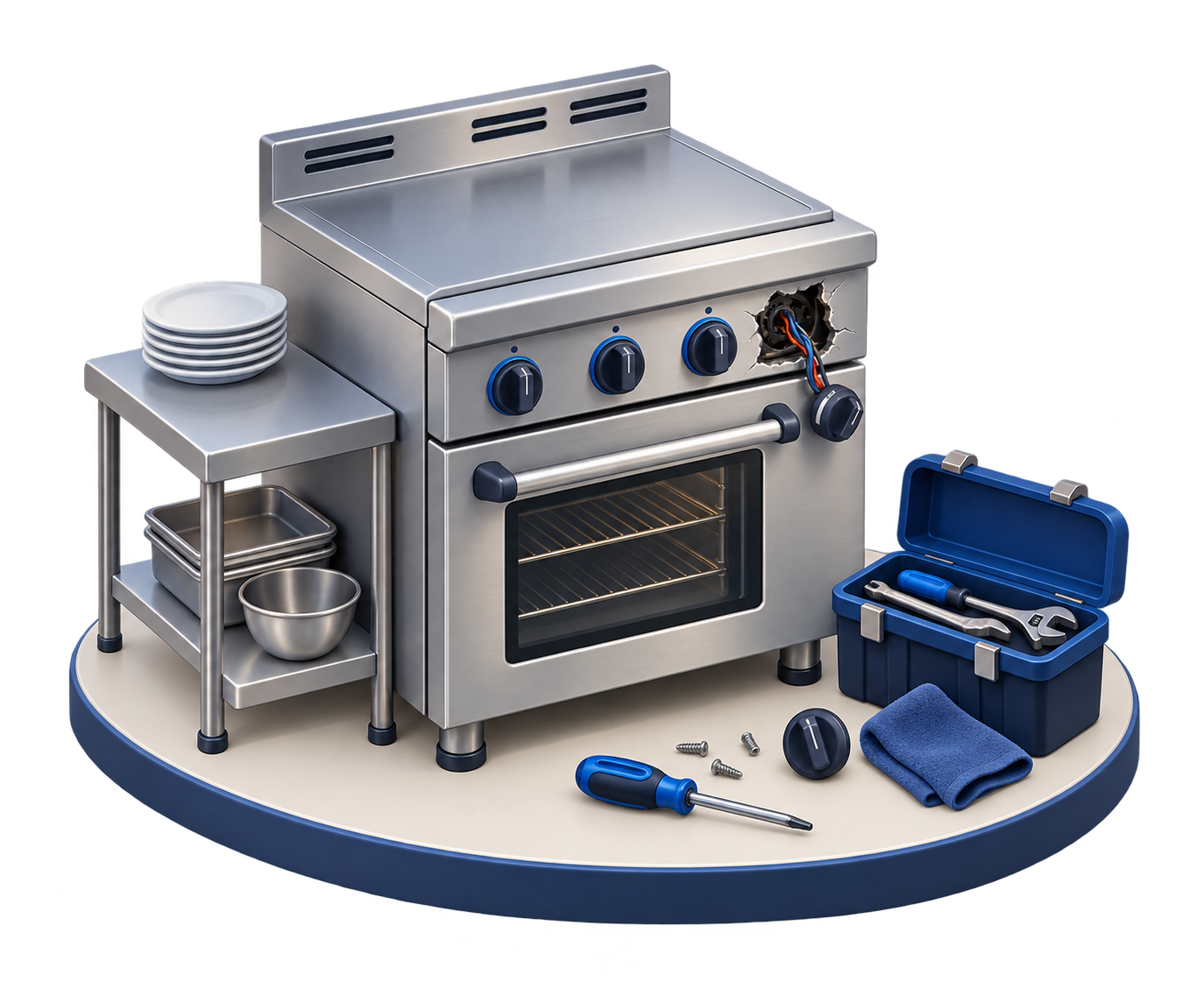
Illustration: kitchen equipment is damaged

Kitchen equipment is damaged

Scenario: Essential kitchen equipment suffers damage.

What happens next: Record the cause and repair assessment. Property and equipment-breakdown coverage respond to different circumstances.

Illustration: a closure follows damage

A closure follows damage

Scenario: Damage forces the restaurant to suspend service.

What happens next: Retain sales and expense records. Interruption benefits depend on the covered trigger and policy terms.

Actual outcomes depend on the facts and applicable wording. Read claims guidance · Ask about the next step