































Business insurance

Contractor Insurance

Contractors insurance should reflect the actual trade and work performed. General contractor insurance, tools coverage, commercial auto and builders risk address different exposures and should be reviewed together.

20%
What could a lower premium mean for you?Illustrative example: $2,400 → $1,920 per year is $480 less. Not an available offer. Try your own numbers →
Your next step starts hereNo obligation to buy

Choose your insurance type and continue to the contact options. This step does not submit an application.

Insurance Genie wearing a construction hard hat and reflective safety vest
Tools. Projects. Liability.Explore cover for the work you do
Ready for the next job?Review contract insurance requirements
Live examples
CRM examples will appear here once the feed is connected.

From Insurance Genie

Recent business insurance purchases

Explore recent policy purchases shared through our participating insurance professionals.

Recent policies will appear here when the Insurance Genie CRM feed is connected.

How Insurance Genie works

Insurance Genie is an insurance request platform, not an insurer or insurance brokerage. Requests may be connected with participating licensed partners. Availability depends on your location, needs and partner eligibility. A request is not a quote or confirmation of coverage.

Coverage questions for your business

Use these topics to frame a discussion with the licensed professional handling your request. They are questions to review, not a promise that every item is included in a policy.

Illustration of a building project, hard hat, tools and a blue protection shield
  • Damage or injury arising from operations
  • Tools at a site or in transit
  • Work by subcontractors
  • Projects under construction

Information to prepare for a useful request

  • Trade and detailed scope
  • Annual revenue and payroll
  • Largest project and work heights
  • Subcontractor use and contracts

Describe the full activity, including work away from the main premises and any secondary services. An incomplete description can make two proposals look comparable when they are based on different information.

Compare the wording as well as the price

Ask for the named insured, business description, covered locations, policy limits, deductibles and key exclusions. Check how defence costs, property valuation and any required endorsements are treated. A policy title alone does not tell you what an individual claim would receive.

If a landlord, lender, marketplace or customer has supplied insurance conditions, provide the actual document. Ask the licensed professional to identify requirements the proposed policy does and does not satisfy. A certificate is evidence of stated coverage; it should not be treated as a rewrite of the policy.

Cost and availability

The price depends on the business activity, scale, location, claims history and selected protections. Request a review using your own facts instead of treating a generic industry range as a quote.

Insurance Genie connects requests with participating licensed partners. Products, territories and eligibility vary. Confirm who is handling your request and when any offered coverage would take effect.

Your questions, answered

Contractor insurance beyond a certificate

Contractor business insurance should describe the work performed, who performs it and the responsibilities accepted in contracts.

General contractor insurance coverage

Construction company insurance and general contractors insurance need a clear list of trades and services. Insurance for contractors who supervise others should address subcontractor selection, agreements and any responsibility for design or project management.

Tools, projects and vehicles

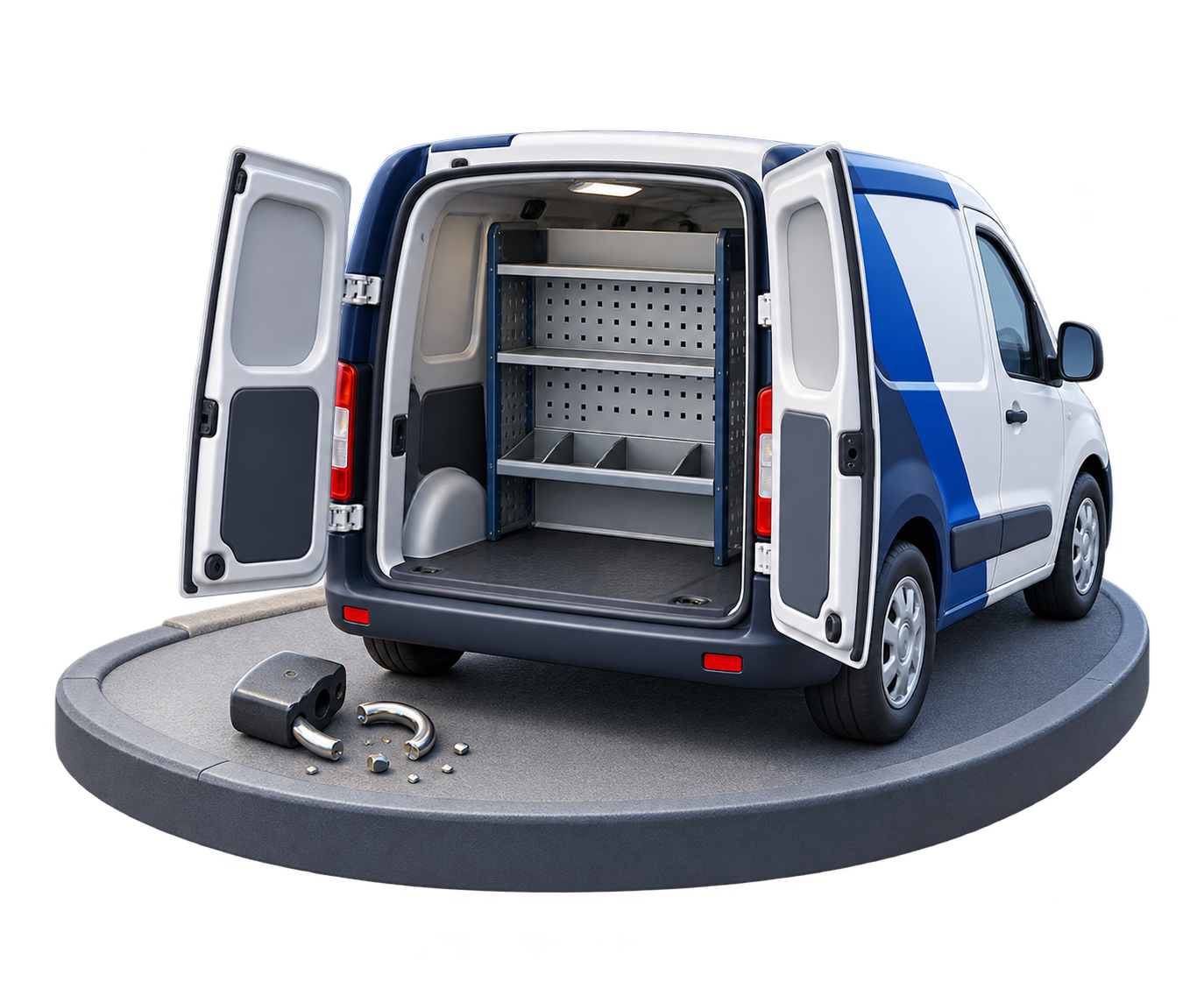
Construction insurance is not one universal policy. Compare liability with tools and equipment, commercial auto and builders risk. Renovation contractor insurance should describe work on existing structures, occupancy and any demolition or structural work.

Specialist contractor activities

An HVAC contractor insurance request should describe installation and servicing. Construction management insurance or construction consultant insurance may raise professional liability questions in addition to ordinary premises and operations liability.

What should contractor insurance quotes include?

Provide your detailed trade description, revenue, payroll, subcontractor use, largest project, work heights and service area. Ask for the same limits, deductibles and declared operations when comparing contractor insurance coverage.

What affects insurance cost for construction companies?

Trade, project size, claims, work methods and the coverages requested can all change the assessment. The lowest construction insurance quote is useful only if it covers the activities and contract requirements of your actual business.

Does an insured contractor automatically meet my contract?

No. A certificate is a summary and should not be treated as a substitute for checking the policy and contract. Ask about additional insured requirements, completed operations, subcontractors, exclusions and any required professional liability cover.

Your questions, answered

Contractor insurance that follows the job details

The town in a search is useful context. The trade, work methods and contract requirements give the provider the information needed to assess a request.

What information helps a contractor insurance enquiry?

For contractor insurance, list the exact trades, project types and sizes, revenue, payroll and subcontractor use. Explain heights, demolition, structural work and any design or project-management responsibilities. Describe tools stored in vehicles and work away from your base. Send the contract’s insurance requirements and ask the receiving provider to compare activities, limits and deductibles. These details support an assessment; they do not confirm that a trade or project is accepted.

What should contractors working in Kingston or Ajax confirm before a new job?

When arranging contractors insurance for Kingston or Ajax work, explain the project address and activity even if your business is based elsewhere. Have the client’s requirements ready, including any requested certificate, additional insured wording or deadline. Ask your provider whether the proposed or existing policy addresses the work, subcontractors and tools involved. A previous certificate does not by itself confirm a new contract is satisfied. Obtain the provider’s written confirmation before treating the enquiry as completed coverage.

Questions before you request coverage

Is contractors insurance the same as builders risk?

No. Contractors liability and project property coverage serve different purposes. Ask who arranges builders risk and which parties and project property are insured.

What should I send with my insurance request?

Prepare the activity description, current insurance, recent claims details and any contract requirements. Include the business-specific information listed on this page so the licensed partner can ask relevant follow-up questions.

Does submitting a request mean my business is insured?

No. A request is not a binder, policy or confirmation of coverage. The organization arranging insurance must confirm acceptance, terms and the effective date.

Compare protection across the whole job

Contractor insurance should be discussed around the trades you perform, the sites you visit and the work you subcontract. Ask how the proposal distinguishes liability arising from your operations, tools that travel between jobs and allegations involving completed work. Describe specialist activities explicitly, including work at height, excavation or hot work where applicable. The trade name on a quote should not replace a complete operations description.

Bring a typical customer contract and any general contractor requirements. Ask who needs to be named, what evidence is requested and whether the proposed wording meets those conditions. Include rented equipment and materials awaiting installation in your list of questions.

Practical ways to review cost

Looking for contractor insurance savings? Start with an accurate breakdown of your work and a current tool inventory. Identify equipment you no longer own and activities you no longer undertake, while disclosing new services and subcontracting. Have a professional check whether existing policies duplicate any protection. Request deductible alternatives only if the business could fund the higher share of a loss, and compare exclusions alongside price.

When a job changes scope

Hypothetical example: a renovation contractor accepts a project involving work outside their usual interior trade. Before beginning, they should describe the added work, subcontractors and contract conditions to the licensed professional. A previous certificate does not answer whether the changed operation fits the policy. The example highlights a review point and makes no claim-payment promise.

Before making a decision

This page is general information. Ask the licensed professional handling your request to explain the proposed wording, limits, deductibles and exclusions. Coverage must be confirmed by the organization arranging it.

Background reading: Consumer insurance coverage guidance. Content updated September 9, 2026; coverage and availability remain subject to confirmation.

Ready to prepare your request?

Contact us to discuss provider availability and the details needed for a useful conversation.

Explore my options

Questions worth asking

Clear answers to help you compare coverage and prepare for a licensed insurance review.

Decorator insurance, handyman insurance and gardener insurance

A contractor review should describe each service rather than rely on a job title. Decorator insurance may need to account for work inside customer premises; handyman insurance should list the repairs and trades undertaken. Gardener insurance should distinguish routine maintenance from tree work, excavation or chemical application. Disclose subcontractors, tools, vehicles and customer property. Ask which activities are accepted and which need specialist cover before treating a general liability quote as complete.

Make the details count

Does an insured or insurance-approved contractor meet my requirements?

A description such as insured contractor is not proof that every job is covered. Obtain current evidence, check the insured name and activities, and have the policy and contract requirements reviewed. Ask about completed work, subcontractors, professional services and interruption cover where relevant. Construction management, new building work and renovation can require different protection. Insurer approval for one repair assignment does not establish universal approval for unrelated projects.

Before you compare

Construction contractor insurance that follows the job

Construction business insurance should follow your actual trades, sites and responsibilities. A general contractor coordinating subcontractors needs a different discussion from a sole operator carrying out one trade. Include renovation, installation and any work performed at height or below ground.

How should I compare construction contractor insurance?

Separate questions about liability, tools, project materials, vehicles and professional design work. Give the broker your contracts and subcontracting details. General construction insurance is a broad search term; ask for the specific policies and exclusions proposed for your operations.

What should a contractor explain about operating territory?

List the business address, operating territory, trades, annual revenue and current projects. Explain work at temporary sites, travel and subcontractors. Location alone does not describe the job; disclose the work and contractual limits required.

Be prepared

Claims scenarios: what happens next?

Hypothetical situations to help you prepare questions—not actual client claims or promises of coverage.

Illustration: damage at a job site

Damage at a job site

Scenario: Work accidentally damages a client’s property.

What happens next: Preserve the contract and incident records. The insurer reviews the activity, damaged property and relevant exclusions.

Illustration: tools stolen from a vehicle

Tools stolen from a vehicle

Scenario: Tools disappear from a work vehicle overnight.

What happens next: Provide an inventory and theft report. Vehicle storage conditions, tool limits and deductibles may affect the assessment.

Illustration: an allegation after completion

An allegation after completion

Scenario: A customer alleges completed work caused later damage.

What happens next: Report when the work and damage occurred. Completed-operations wording and exclusions need review.

Actual outcomes depend on the facts and applicable wording. Read claims guidance · Ask about the next step