




























Business insurance

Retail Store Insurance

Retail business insurance should address the shop, stock and products sold. A convenience store, grocery store and specialist retailer can have different storage, spoilage and product exposures.

20%
What could a lower premium mean for you?Illustrative example: $2,400 → $1,920 per year is $480 less. Not an available offer. Try your own numbers →
Your next step starts hereNo obligation to buy

Choose your insurance type and continue to the contact options. This step does not submit an application.

Insurance Genie wearing a hospitality apron
Your store has its own story.Explain your products and premises
Stock, customers and liability.Compare the details of business cover
Live examples
CRM examples will appear here once the feed is connected.

From Insurance Genie

Recent business insurance purchases

Explore recent policy purchases shared through our participating insurance professionals.

Recent policies will appear here when the Insurance Genie CRM feed is connected.

How Insurance Genie works

Insurance Genie is an insurance request platform, not an insurer or insurance brokerage. Requests may be connected with participating licensed partners. Availability depends on your location, needs and partner eligibility. A request is not a quote or confirmation of coverage.

Illustration of a retail shop, shopping bags, parcel and a blue protection shield
Behind every storefront

Keep your next chapter in view.

From a neighbourhood shop to a busy retail location, start with a clear description of what you sell, where you operate and the questions you want your broker to answer.

Explore retail coverage →

Coverage questions for your business

Use these topics to frame a discussion with the licensed professional handling your request. They are questions to review, not a promise that every item is included in a policy.

  • Stock and seasonal inventory peaks
  • Customer injury and product claims
  • Refrigeration and spoilage
  • Online sales and deliveries

Information to prepare for a useful request

  • Product categories
  • Stock values at peak season
  • Security and refrigeration details
  • Premises lease and claims history

Describe the full activity, including work away from the main premises and any secondary services. An incomplete description can make two proposals look comparable when they are based on different information.

Compare the wording as well as the price

Ask for the named insured, business description, covered locations, policy limits, deductibles and key exclusions. Check how defence costs, property valuation and any required endorsements are treated. A policy title alone does not tell you what an individual claim would receive.

If a landlord, lender, marketplace or customer has supplied insurance conditions, provide the actual document. Ask the licensed professional to identify requirements the proposed policy does and does not satisfy. A certificate is evidence of stated coverage; it should not be treated as a rewrite of the policy.

Cost and availability

The price depends on the business activity, scale, location, claims history and selected protections. Request a review using your own facts instead of treating a generic industry range as a quote.

Insurance Genie connects requests with participating licensed partners. Products, territories and eligibility vary. Confirm who is handling your request and when any offered coverage would take effect.

Your questions, answered

Retail insurance for the products you actually sell

Retail business insurance should connect the shop, stock, customers and sales channels in one clear description.

Convenience store insurance and grocery store insurance

Food store insurance needs a discussion of refrigeration, spoilage, cooking and any age-restricted products. Record peak stock values and explain the effect of a loss of power or access to the premises.

Clothing store insurance and boutique insurance

A clothing shop insurance review should address seasonal inventory, displays, tenant improvements and online sales. Shoe store insurance, gift shop insurance and accessories store insurance need the actual product mix and replacement values.

Hardware store insurance and garden store insurance

Describe tools, chemicals, fuels, equipment rental and installation or delivery services. The risk review for a hardware retailer can differ from a bookstore insurance or hobby store insurance request.

Furniture store insurance and antique store insurance

Tell the provider about deliveries, installation, fragile stock, unique items and valuation methods. Stock on consignment or belonging to customers needs a separate explanation.

Retail liability insurance and inventory insurance

Business inventory insurance coverage and public or product liability serve different purposes. Online retailer insurance also needs the destinations, suppliers and products sold through websites or marketplaces.

Which types of business insurance should a small retail store compare?

Discuss property and stock, liability for customers and products, business interruption, crime and any delivery or cyber exposure. Shop insurance should match the actual activities rather than a generic store description.

What should retail business insurance quotes use for stock values?

Use accurate values and explain seasonal peaks, goods in transit, off-site storage and consignment arrangements. Ask how the policy values a loss and whether special limits or reporting conditions apply.

Is wholesale store insurance the same as retail store insurance?

A wholesale operation may have different customer types, storage values, territories and contractual responsibilities. Explain both retail and wholesale activities when requesting business insurance for retail stores that do both.

Questions before you request coverage

Does shop insurance cover goods sold online?

Tell the licensed professional about online sales, where products are shipped and whether you import or manufacture them. Ask for the relevant activities and territories to be confirmed.

What should I send with my insurance request?

Prepare the activity description, current insurance, recent claims details and any contract requirements. Include the business-specific information listed on this page so the licensed partner can ask relevant follow-up questions.

Does submitting a request mean my business is insured?

No. A request is not a binder, policy or confirmation of coverage. The organization arranging insurance must confirm acceptance, terms and the effective date.

Before making a decision

This page is general information. Ask the licensed professional handling your request to explain the proposed wording, limits, deductibles and exclusions. Coverage must be confirmed by the organization arranging it.

Background reading: Consumer insurance coverage guidance. Content updated September 9, 2026; coverage and availability remain subject to confirmation.

Ready to prepare your request?

Contact us to discuss provider availability and the details needed for a useful conversation.

Explore my options

Questions worth asking

Clear answers to help you compare coverage and prepare for a licensed insurance review.

Video store insurance and carpet store insurance

For video store insurance, describe inventory, rentals, equipment and customer access; identify any property owned by others in your care. Carpet store insurance should also account for stock values, deliveries and installation work. Retail premises coverage does not automatically cover every off-site activity. Give the broker the full operation and ask about liability, stock, tools, transit and interruption separately.

Make the details count

How should a retailer describe its stock and activities?

Identify the goods sold and their maximum values. Clothing, furniture, books, hardware, lighting, food, luggage and specialist stock can present different theft, damage and liability questions. Disclose used goods, repairs, installations, deliveries, customer property and online sales. Ask about building or tenant improvements, contents, inventory, interruption, theft and vandalism. A shopping-centre owner, wholesaler or vape retailer should not assume the same small-shop policy fits its operations.

Before you compare

Retail shop insurance for the products you sell

Insurance for retailers should account for inventory, seasonal peaks, tenant improvements and online sales. Retail shop insurance for a convenience store, clothing shop or specialist retailer should describe the actual products sold and where they are stored.

What should retail store owners include in a business insurance request?

List product categories, stock values, supplier locations, annual sales and any imports or deliveries. Ask about stock valuation, product liability, interruption and off-site storage. A proposal should explain how these exposures are treated, rather than relying on a retail coverage label.

How does inventory liability coverage differ from insuring my own stock?

Ask whether you are seeking protection for damage to your stock, responsibility for goods belonging to others, or injury caused by a product you sell. Those are different questions and may require different policy terms.

What details help compare insurance for retail shops?

Prepare a stock valuation, product list, sales breakdown and description of the premises. Include online sales, imports, customer goods, deliveries and storage away from the shop. Compare proposals using the same information and ask how seasonal stock increases, product liability and business interruption are addressed.

Be prepared

Claims scenarios: what happens next?

Hypothetical situations to help you prepare questions—not actual client claims or promises of coverage.

A shop employee assisting a customer after a slip

A customer alleges an injury

Scenario: Someone alleges an injury arose from the business operations.

What happens next: Preserve incident records and notify the insurer. Declared activities, liability wording and the facts determine whether a policy responds.

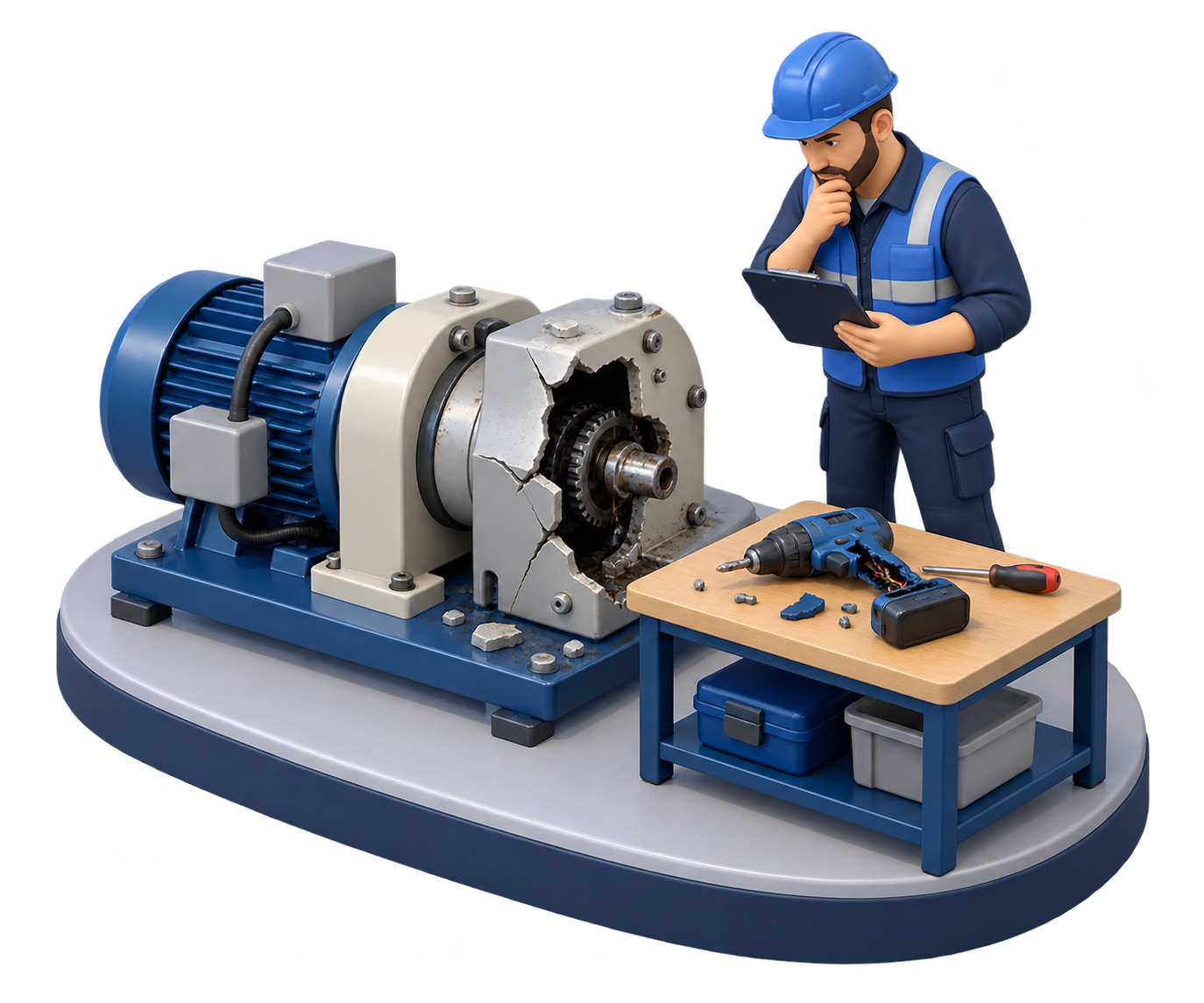
Illustration: equipment is damaged

Equipment is damaged

Scenario: Equipment used by the business is damaged or stolen.

What happens next: Document ownership, location and cause. Ask the insurer to review the insured property, exclusions, valuation and deductible.

Illustration: operations are interrupted

Operations are interrupted

Scenario: Damage prevents the business from operating normally.

What happens next: Keep revenue and expense records. Business interruption depends on the insured trigger, selected coverage and applicable terms.

Actual outcomes depend on the facts and applicable wording. Read claims guidance · Ask about the next step